
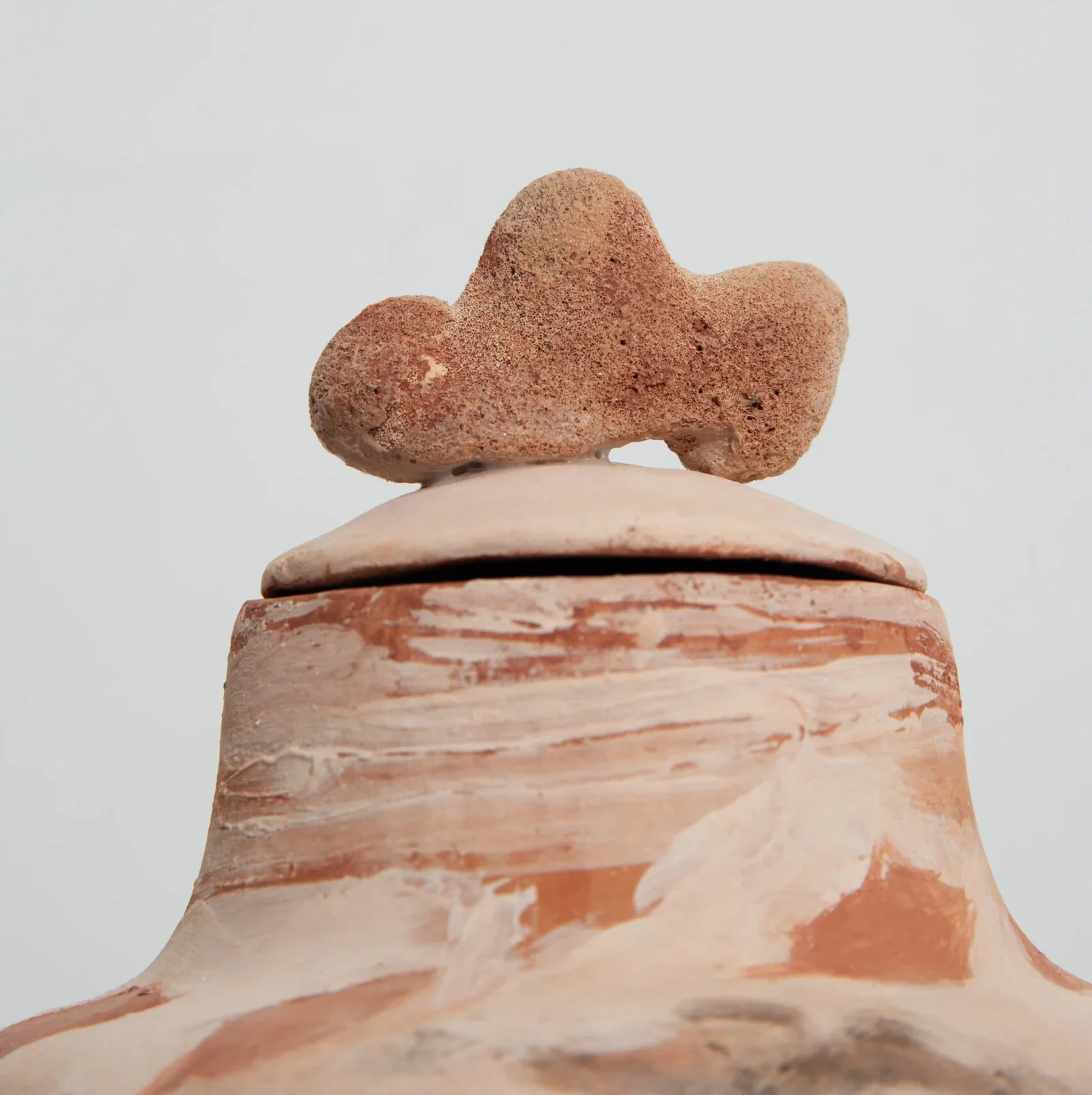
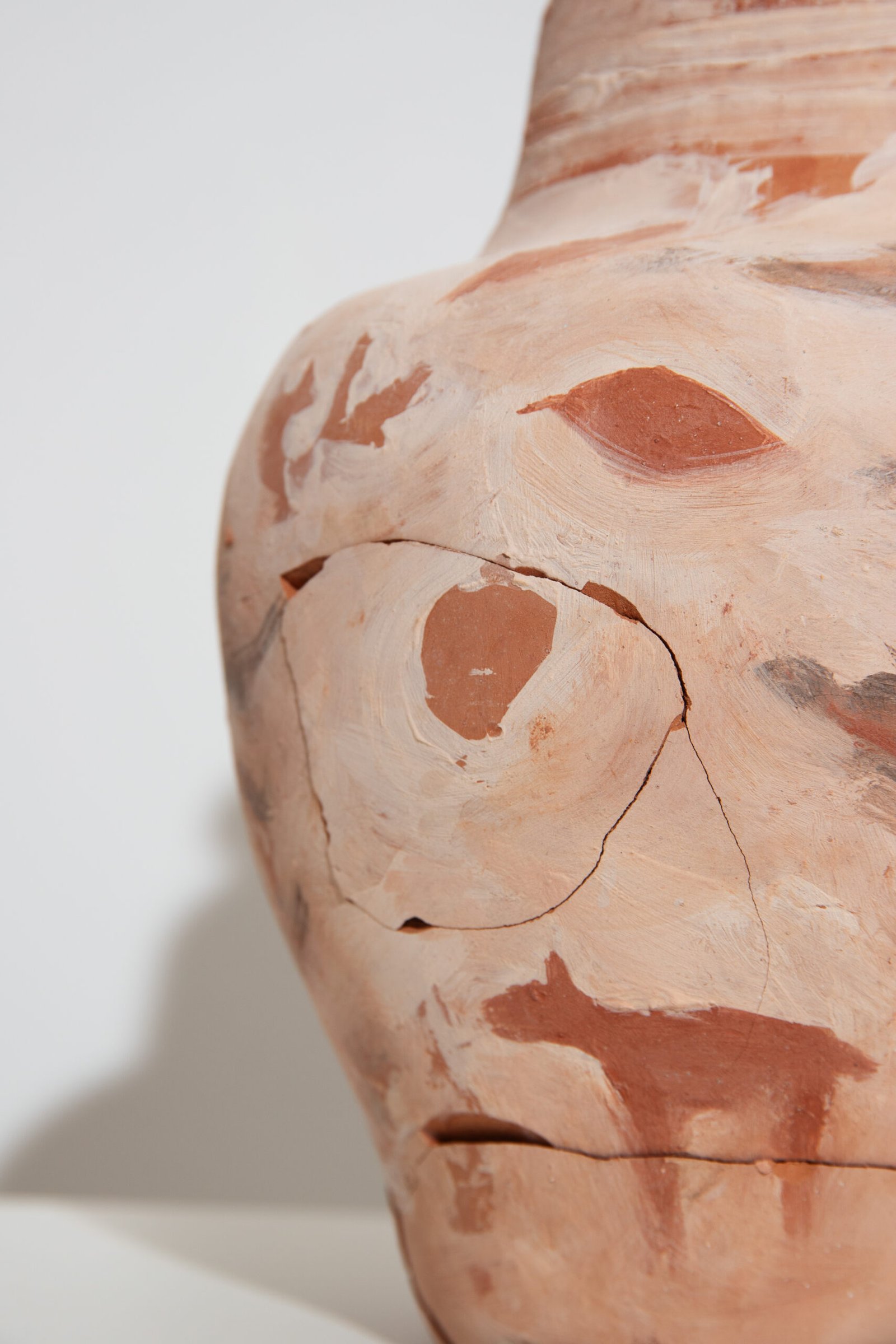
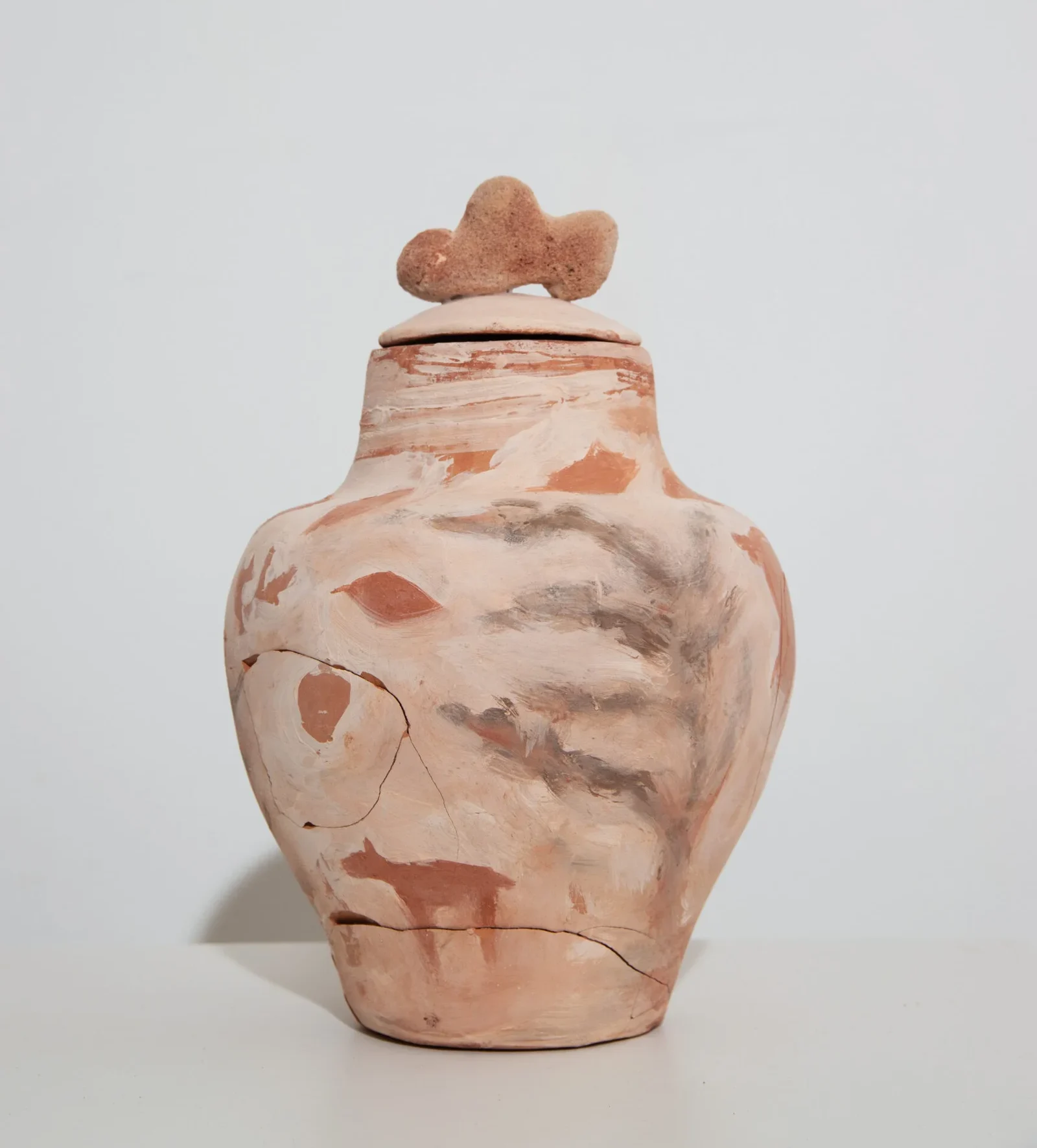
Photos by Larissa Ambachtsleer
À Volta do Barro
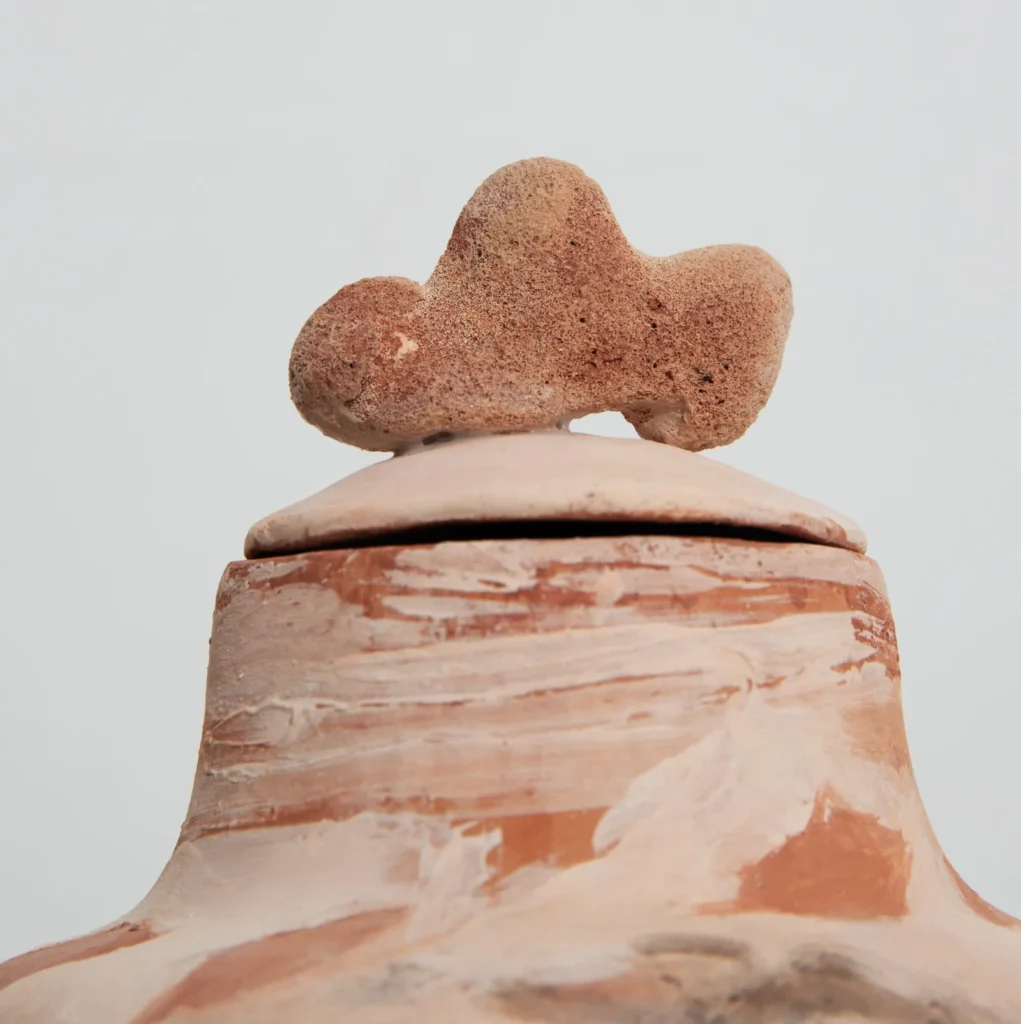
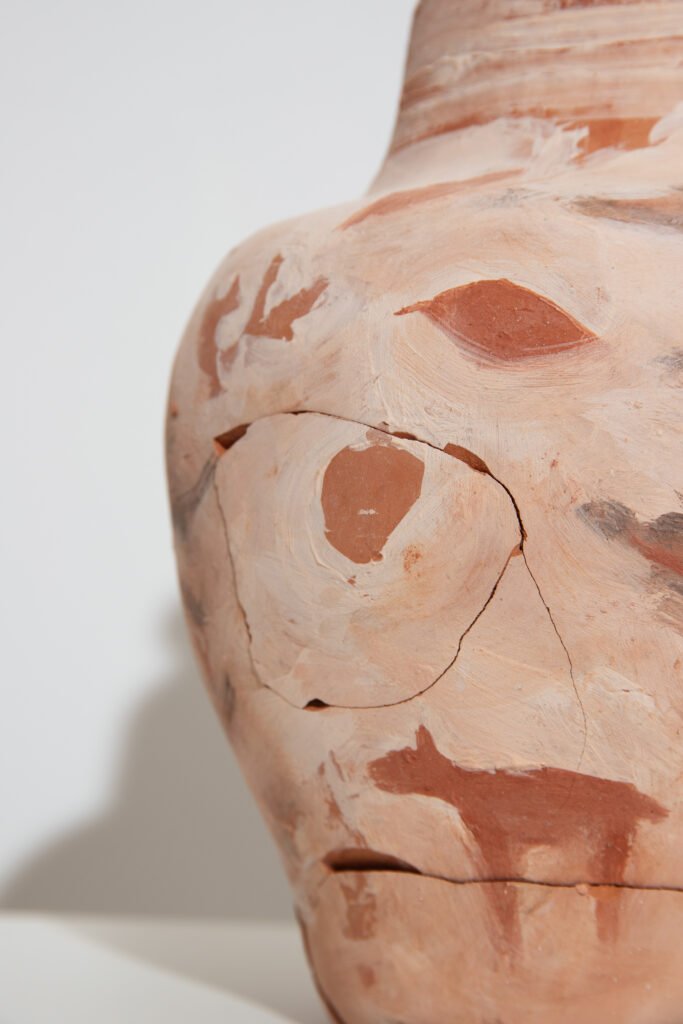
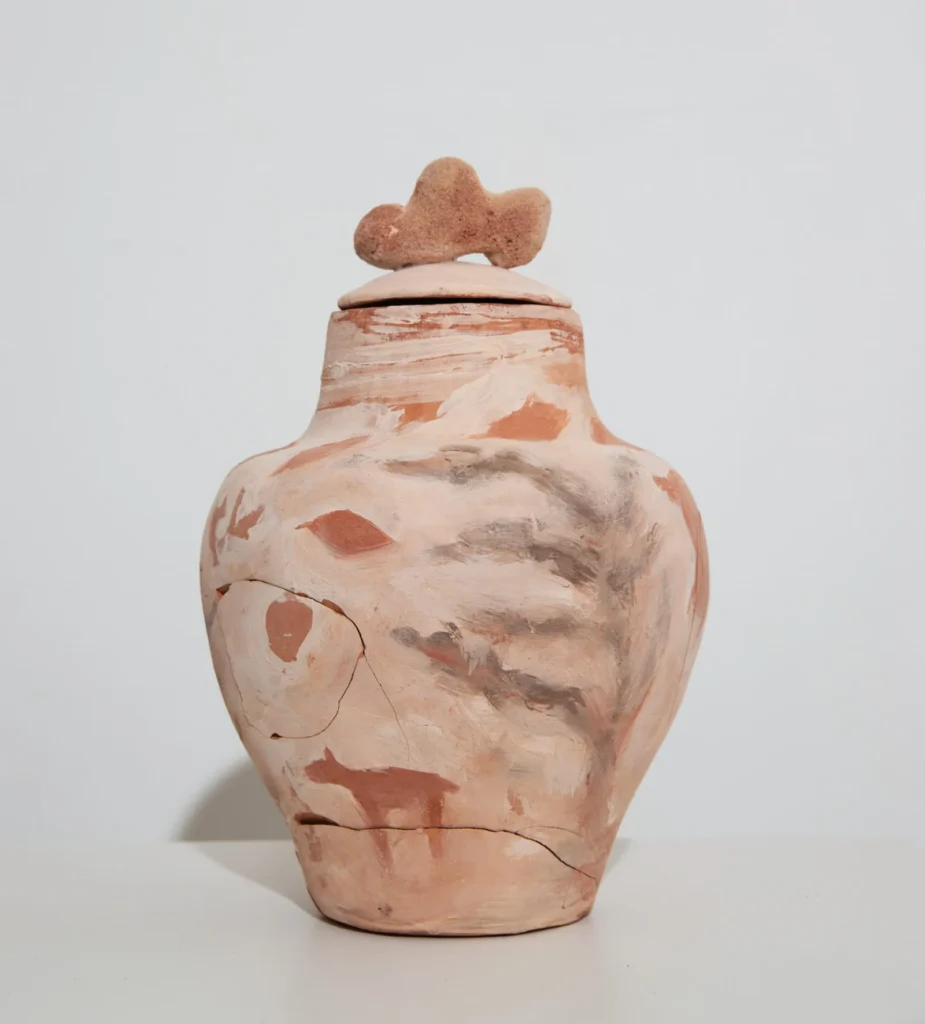
À Volta do Barro (2024–) centres on a ceramic tradition historically led by women and rooted in care for the landscape.
The project unfolds across multiple countries in collaboration with those who carry the tradition, tracing how this line of knowledge has been displaced through histories of slavery and colonial processes across the Atlantic, and how it has adapted and continued under these conditions.
Within À Volta do Barro, gatherings with communities connected to this heritage across different geographical contexts are central. These are initiated jointly by practitioners of the tradition and the artist, with heirs of the tradition taking the lead, while the artist facilitates and documents in dialogue with them and the communities involved.
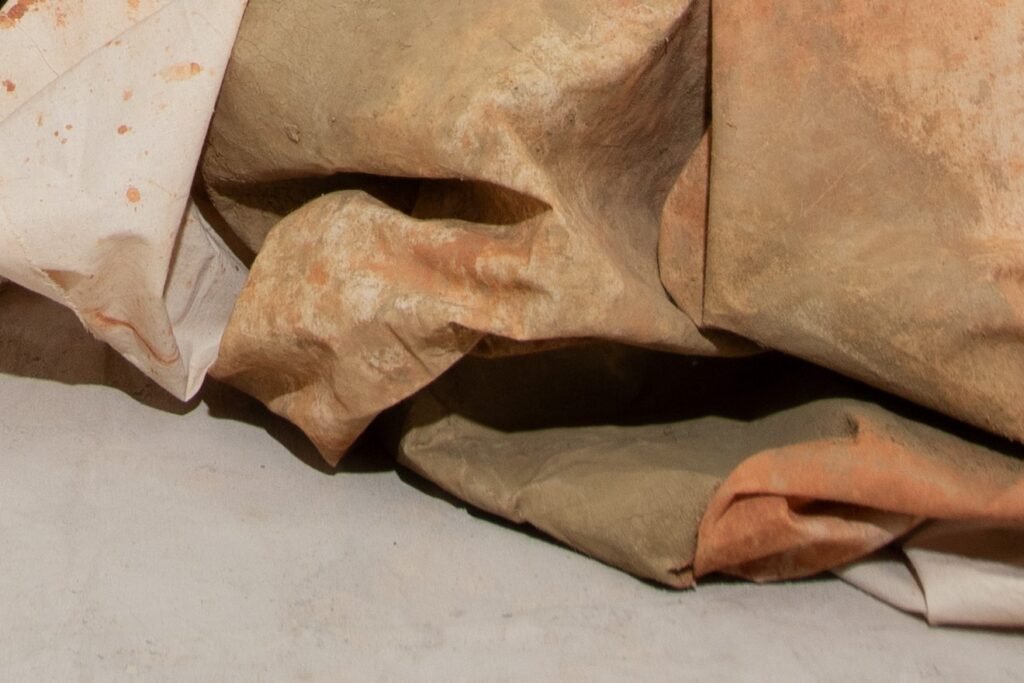
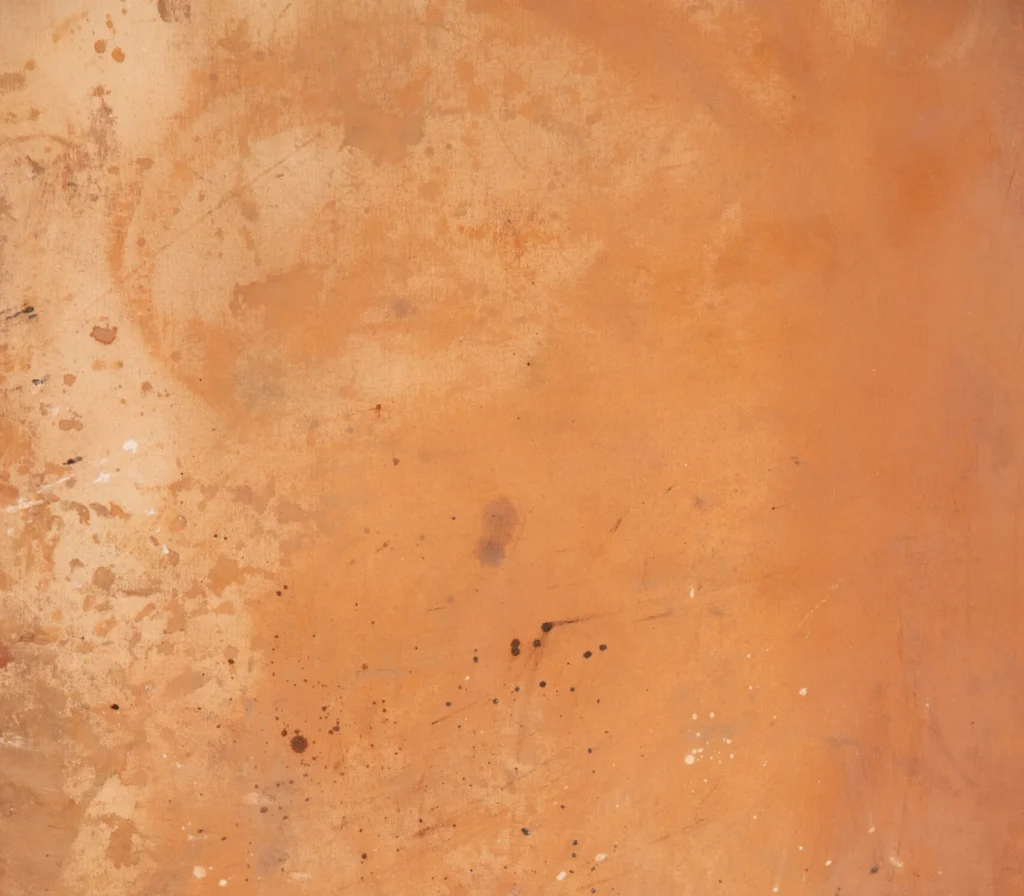
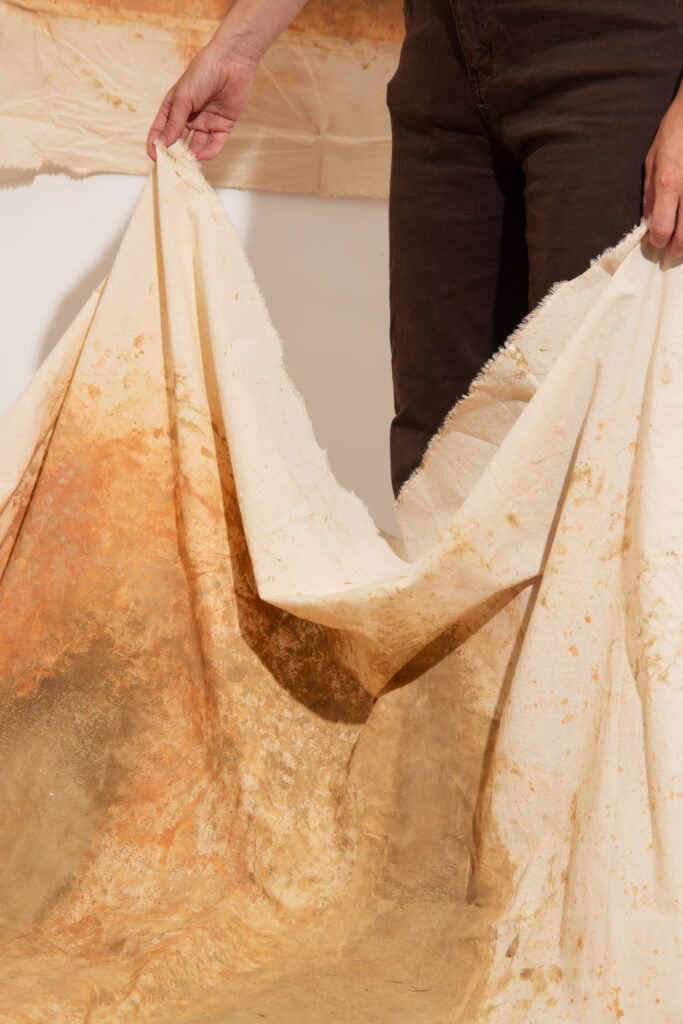
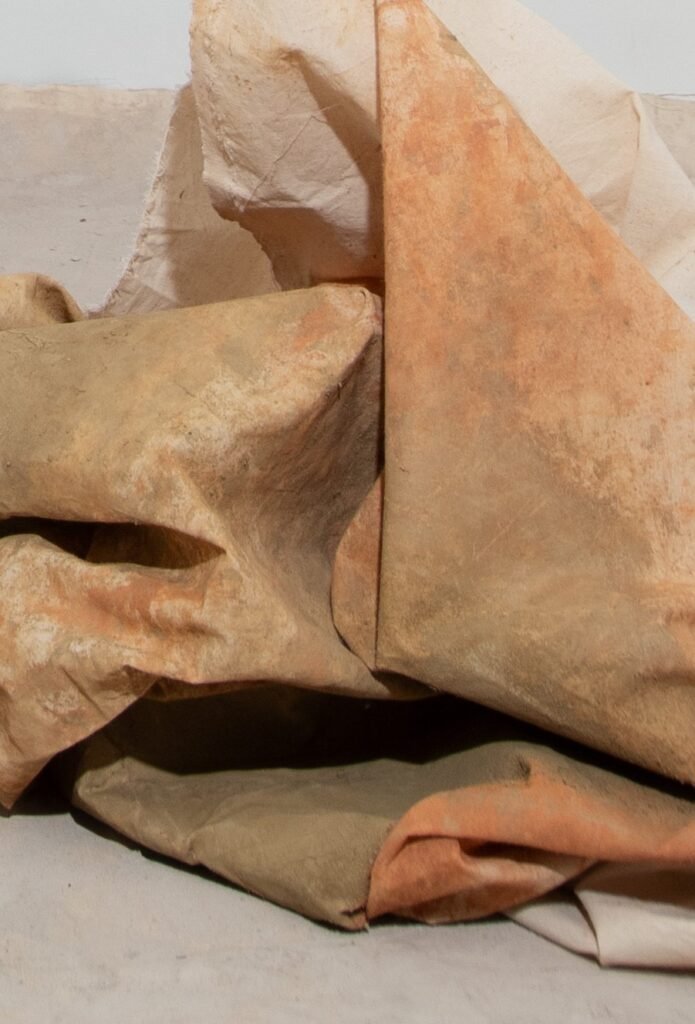
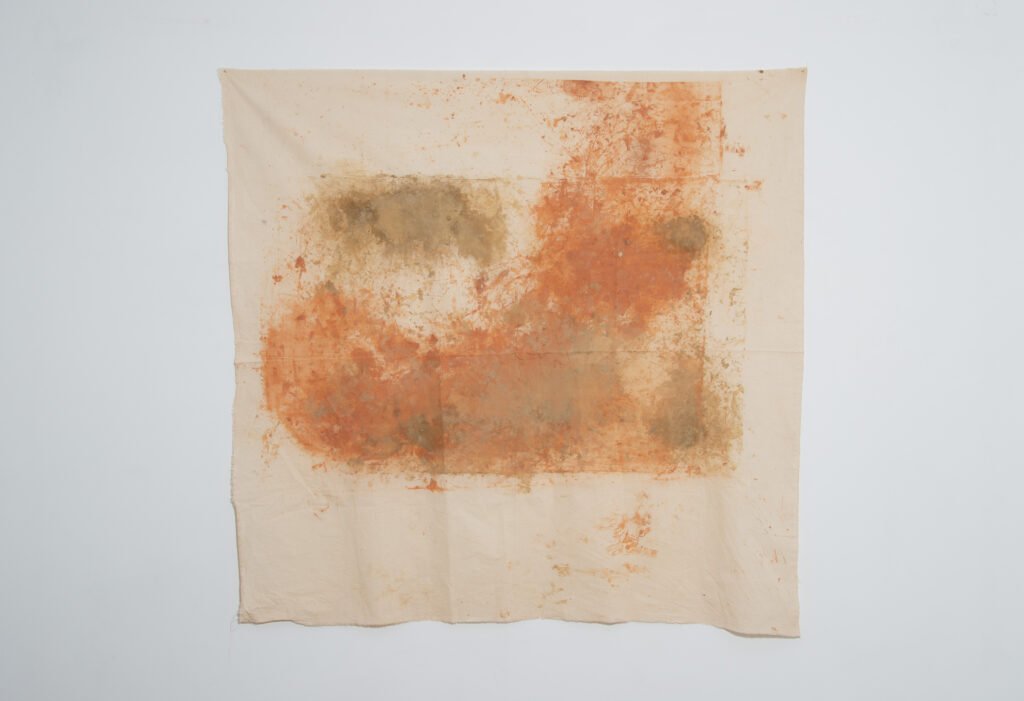
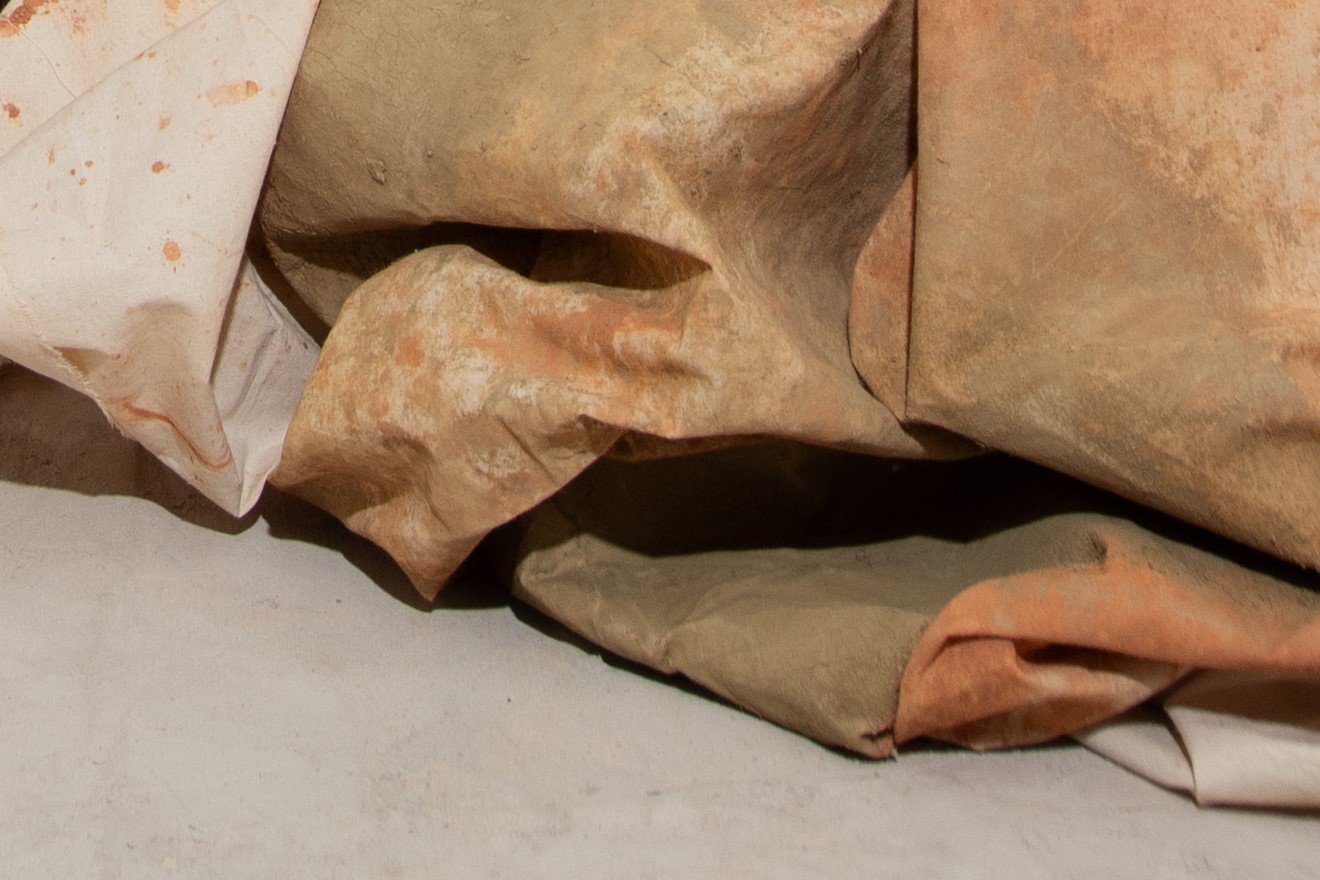
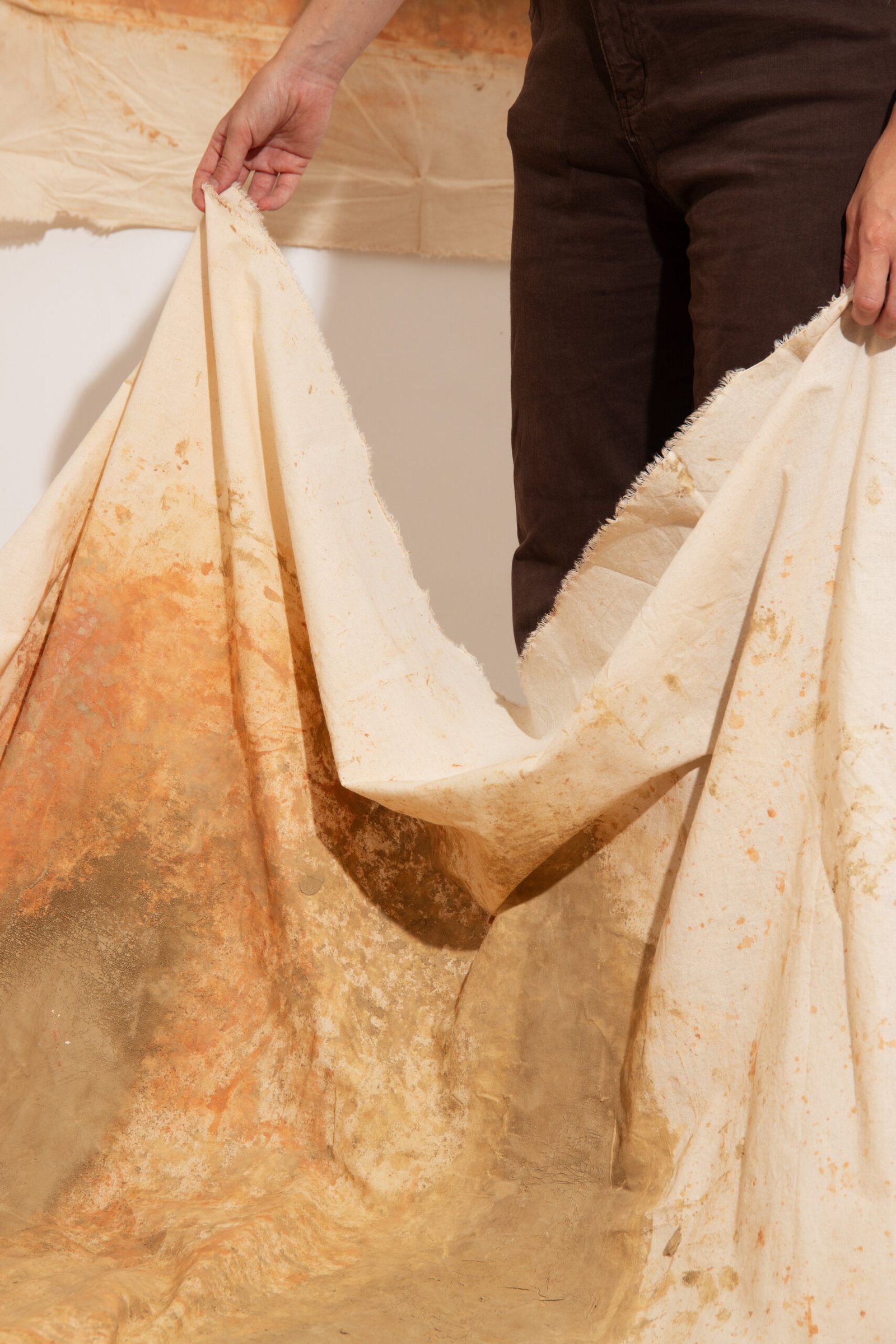
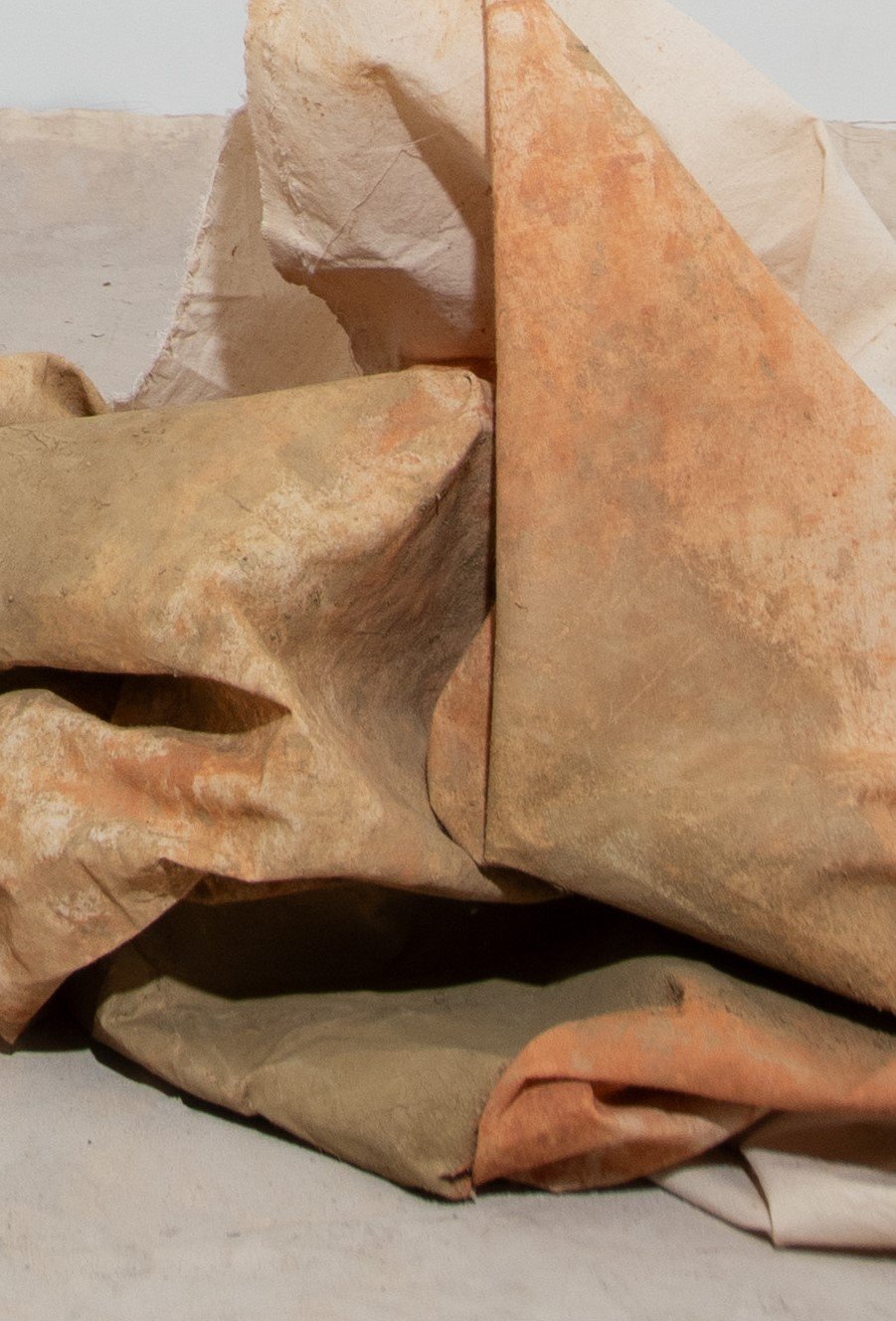
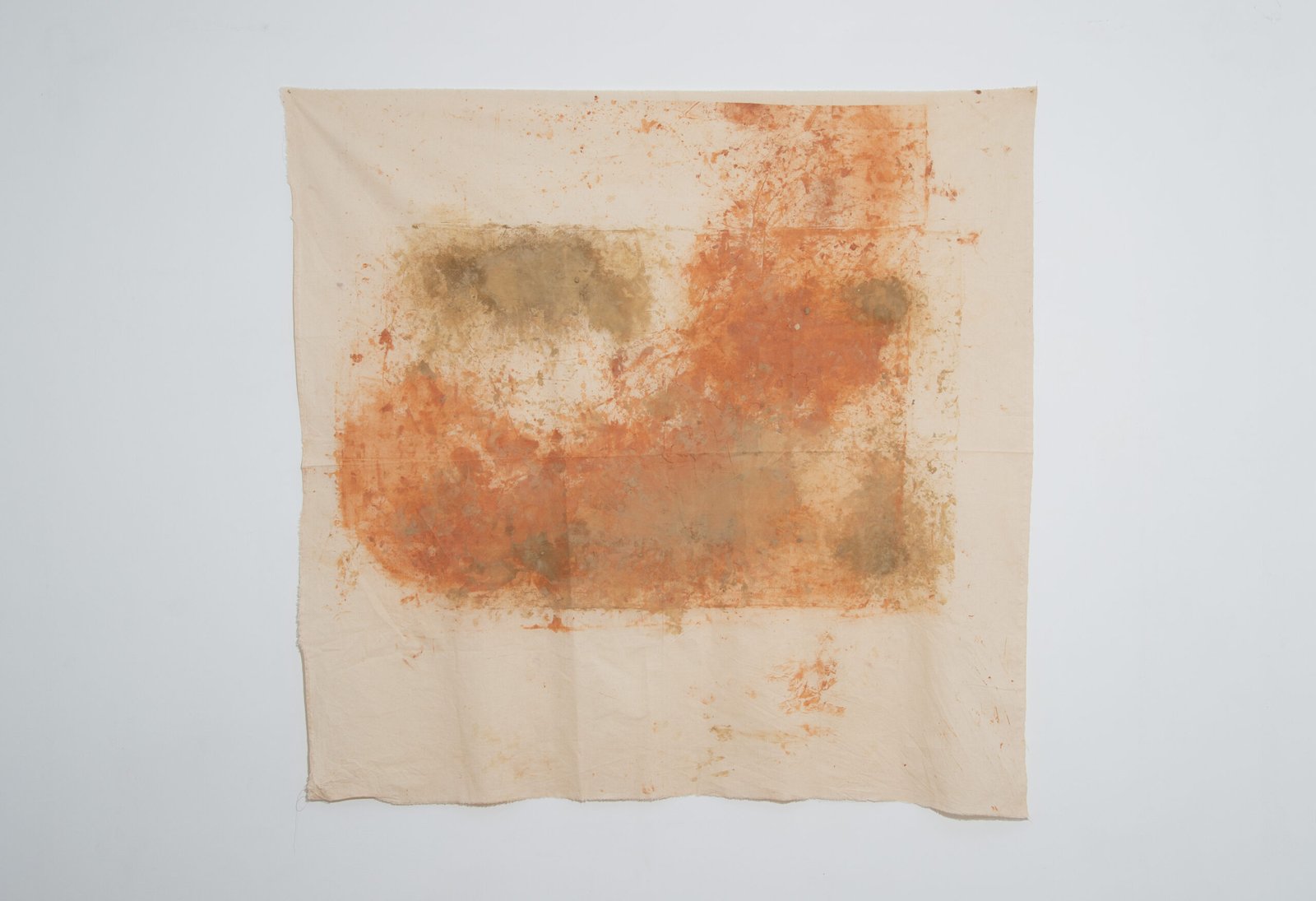
Each encounter takes place on a textile surface, where participants collectively reflect on the history and context of this female line of knowledge and how it continues within the community. From there, the ceramic practice is practised collectively. Throughout the process, traces of local clay, handprints and interactions accumulate, forming an archive in each context through which the tradition becomes visible through the communities themselves.
Together, the works reveal the dispersion and layered nature of this female heritage, showing how it has moved, adapted and continued across different historical and social contexts.
This trajectory has been made possible thanks to the collaboration of Virgínia Fróis (artist and professor of ethno-ceramics), Ricardo Barbosa Vicente (curator and architect), Melanie Soares, Luisa Soares Lima, Jorge Lizardo (Foundation Bruggenbouwers), Verhalenhuis Belvédère, Foundation MIJ, and the community center Post West–Rotterdam, with the support of the municipalities of Lisbon and Boa Vista (Portugal and Cape Verde), Gerstaecker BV, the Fund Cultuurparticipatie and the Ministry of Culture and Creative Industries of Cape Verde.